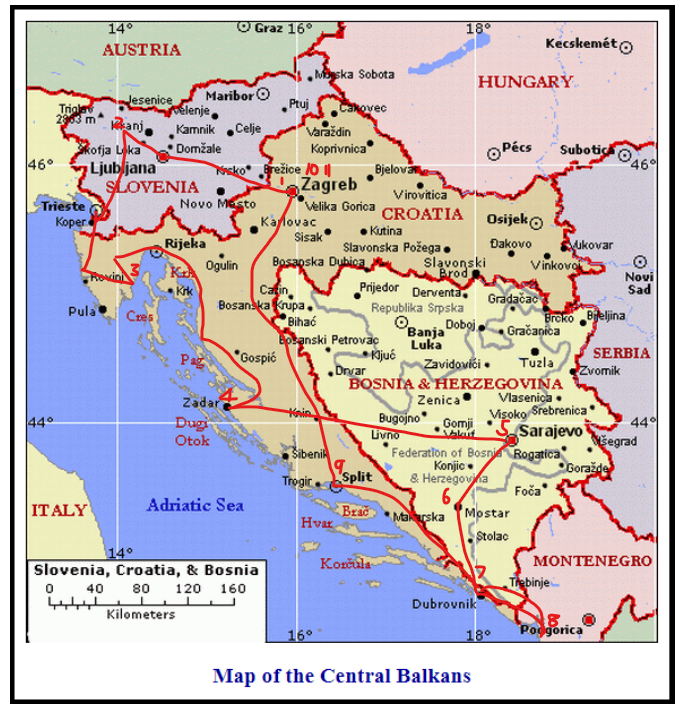
2023 Croatia Slovenia Europe Holiday
Day 1 – Flight from Singapore to Zagreb (April 10)
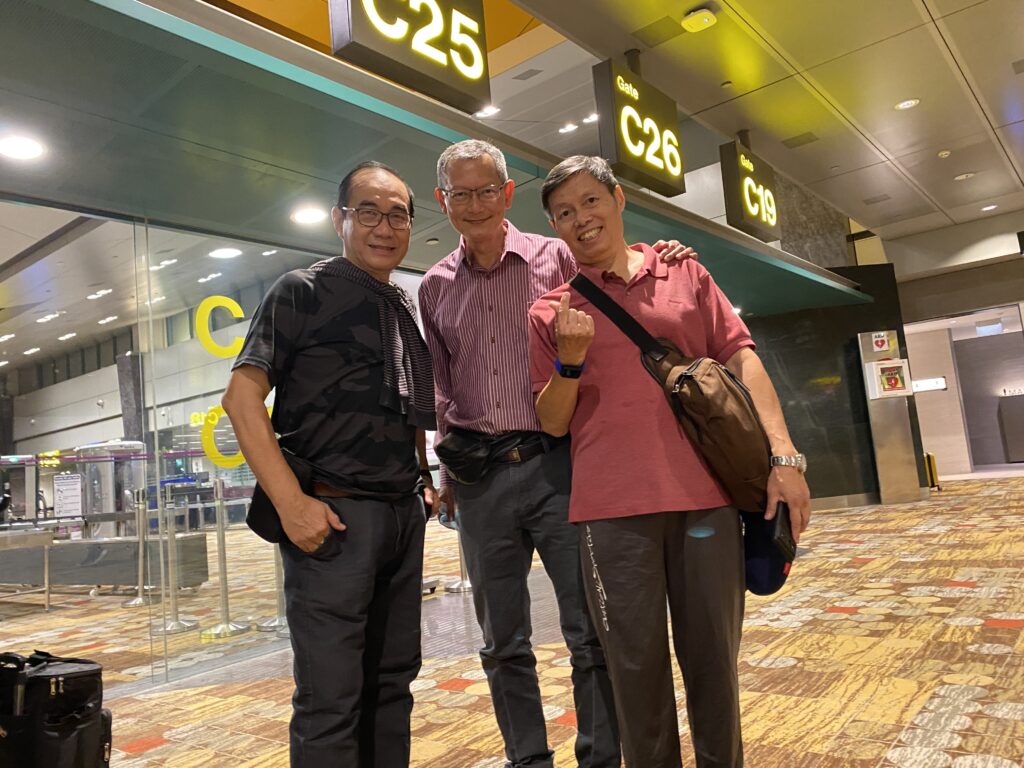
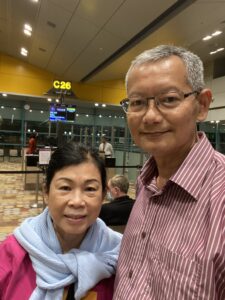



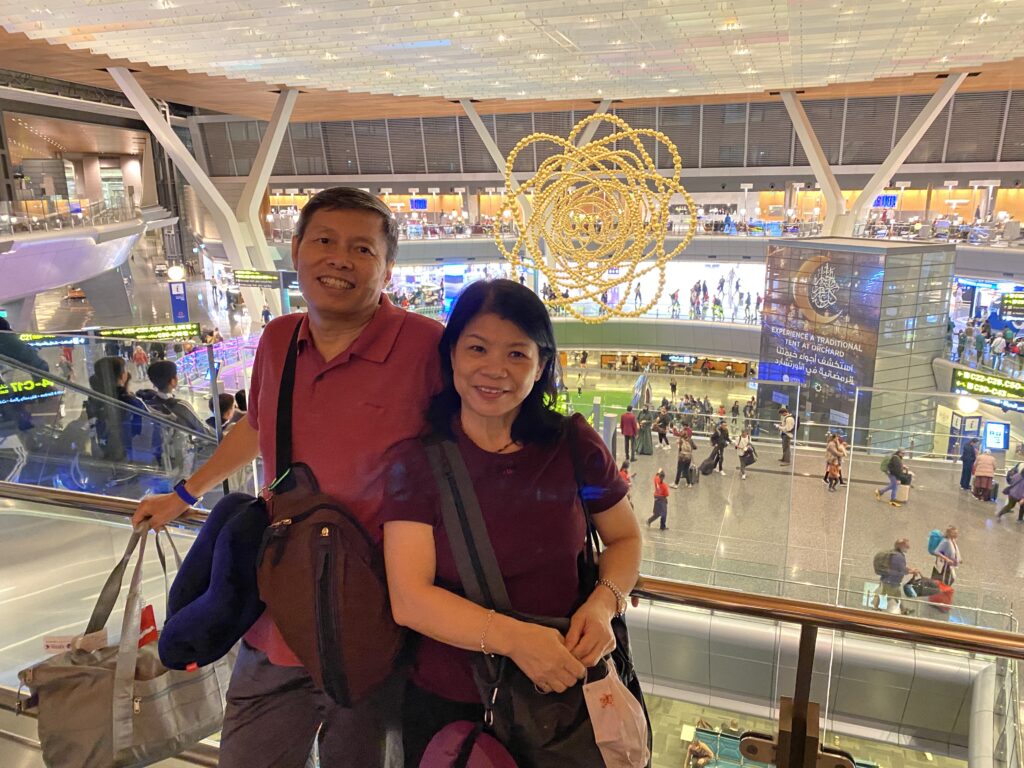
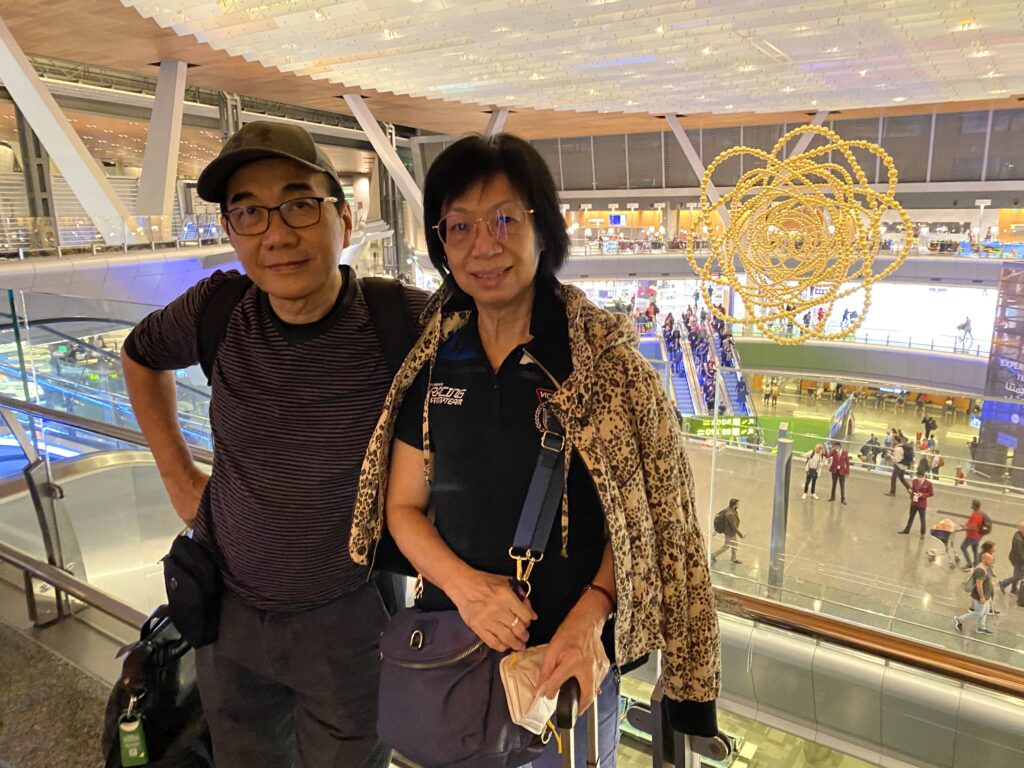
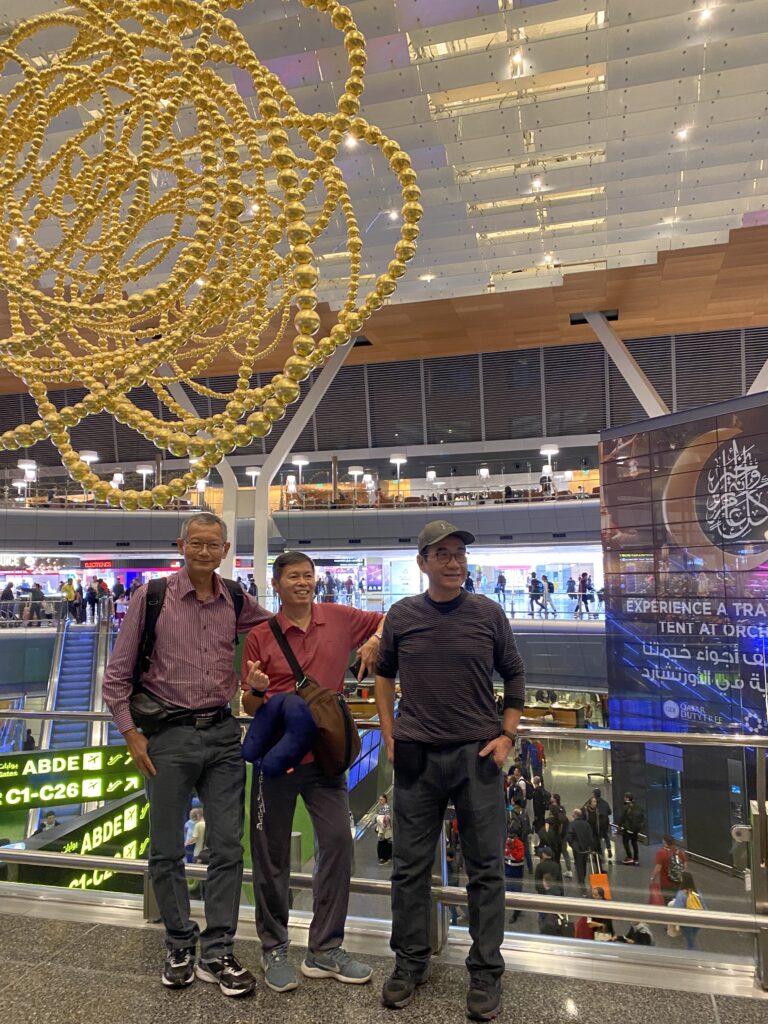
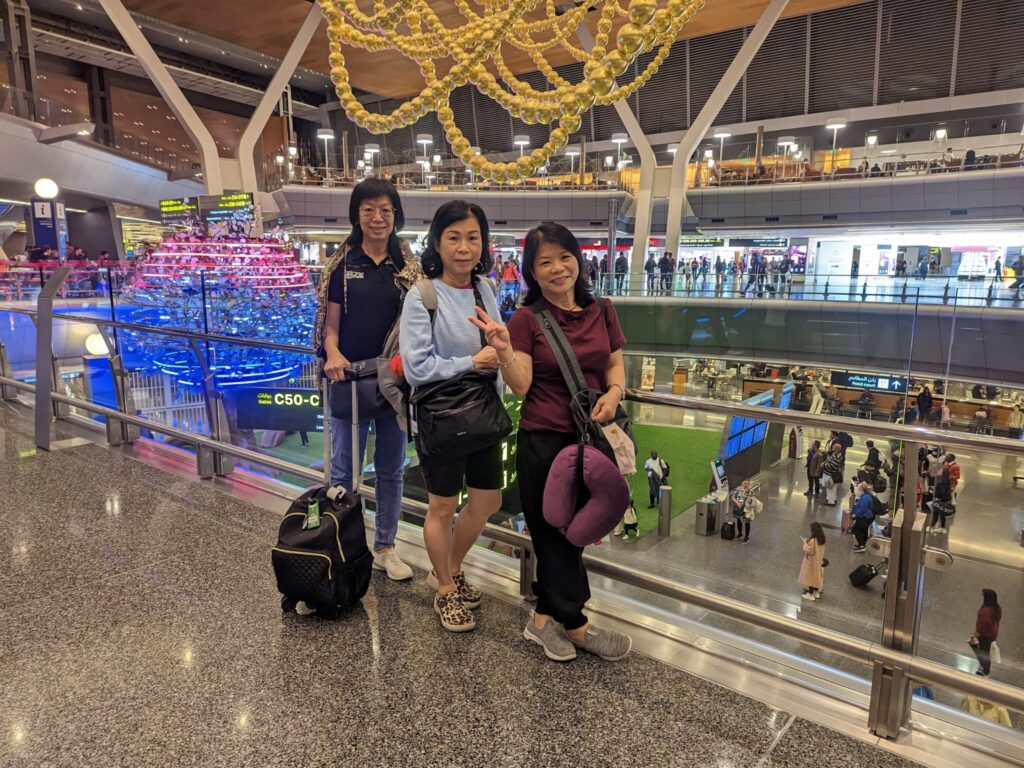
We departed at 9:25pm via Qatar Airways flight QR215 to Doha, had a 2-hour stopover, and then continued on to Zagreb. The total flight time was approximately 17 hours.
Day 2 – Arrive Zagreb, the capital of Croatia at 6.55am – Lake Bled
We arrived in Zagreb, the capital of Croatia, at 6:55am.
Upon arrival, we made our way to Lake Bled, Slovenia’s most famous lake.



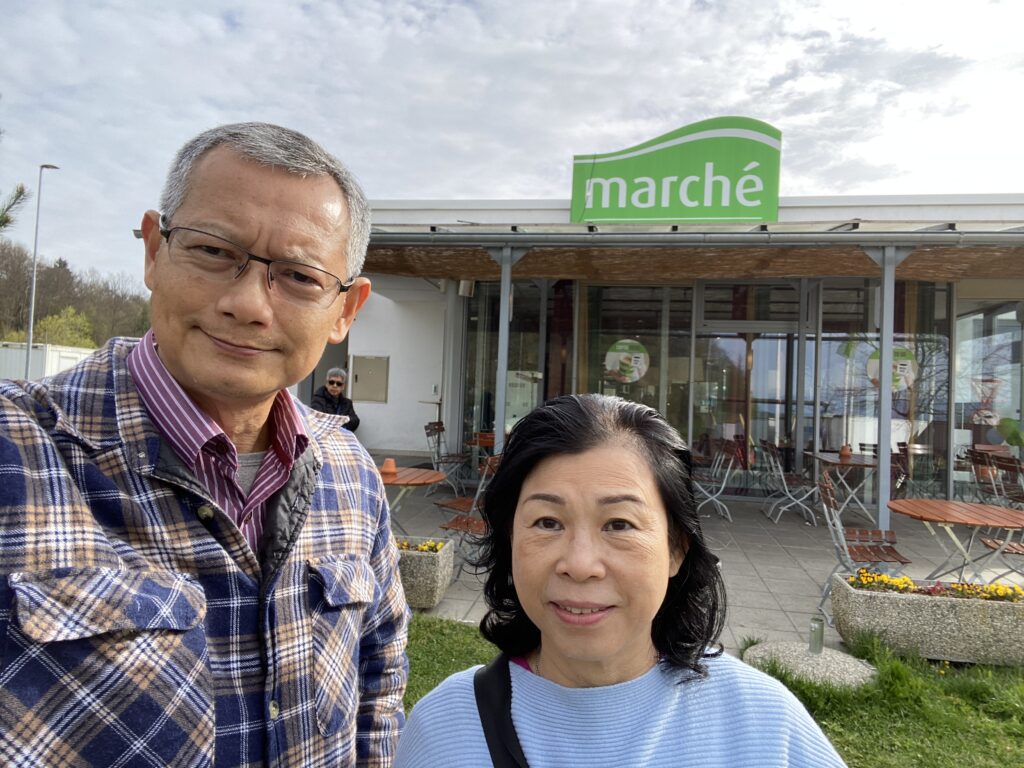
Day 2 – Breakfast on the way to Lake Bled at local Marche Food Stop
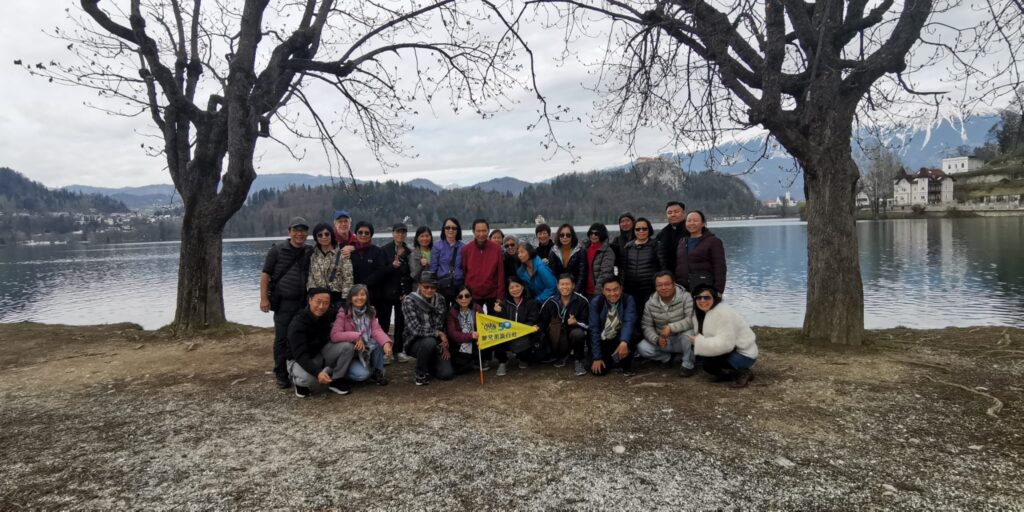

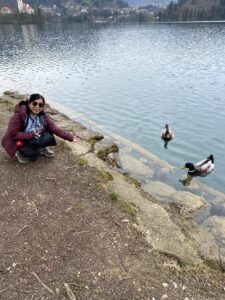
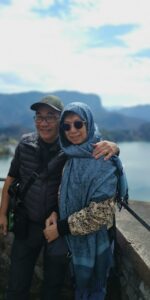
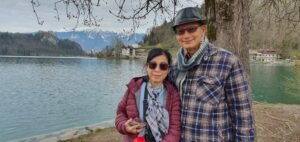
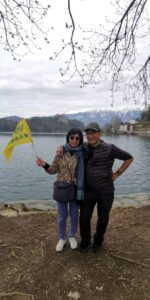
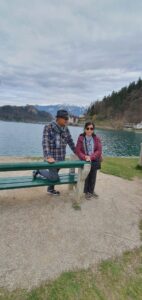
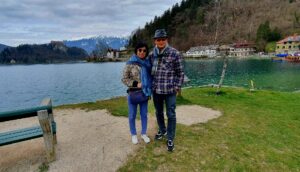
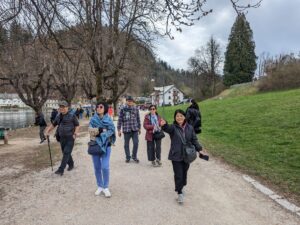
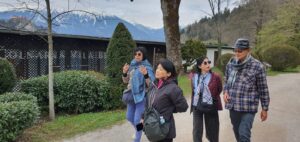
Day 2 – Walking around Lake Bled – Slovenia
We embarked on a sightseeing tour of Lake Bled, marvelling at its stunning crystal blue-green waters.
We immersed ourselves in the idyllic surroundings and fresh, clear air, and took a moment to understand why it is often described as paradise on Earth.
In the centre of the Lake Bled, a picturesque islet crowned by the exquisite Church of the Assumption.
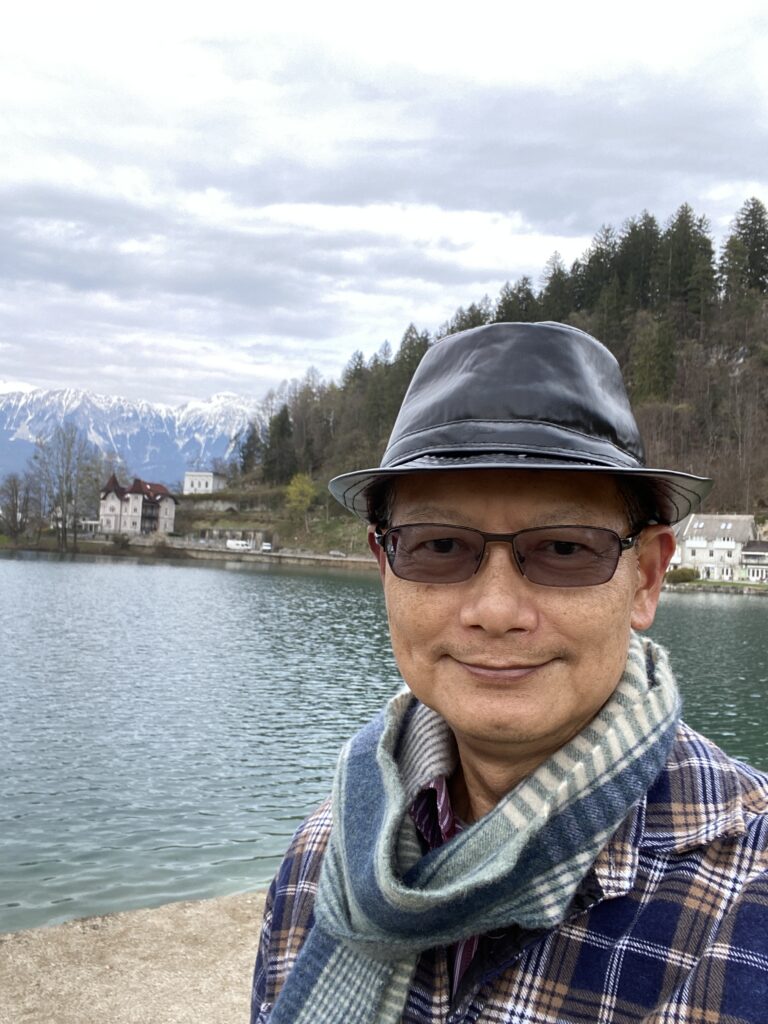
Day 2 – Attractions at Castle Bled, Slovenia
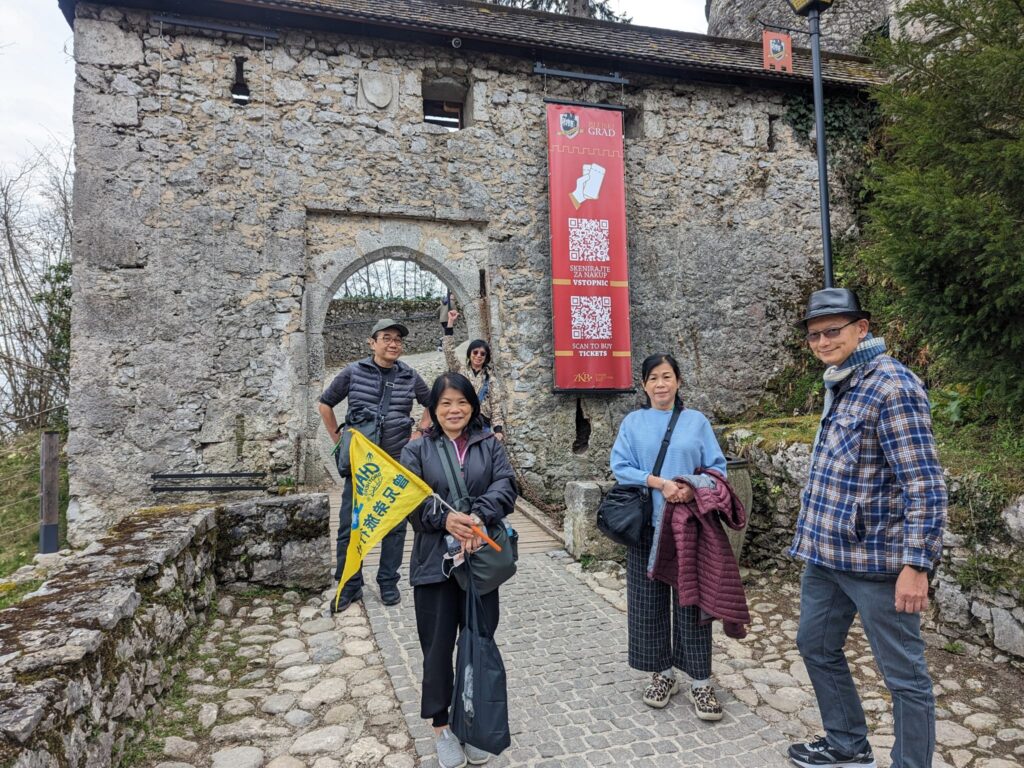
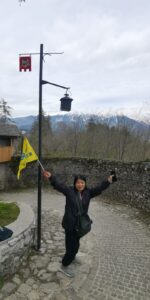
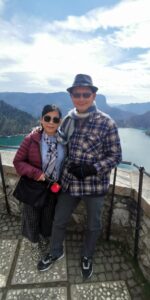
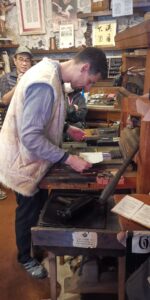
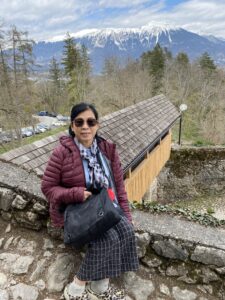
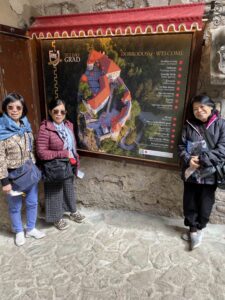
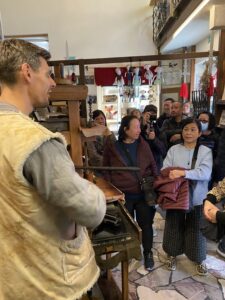
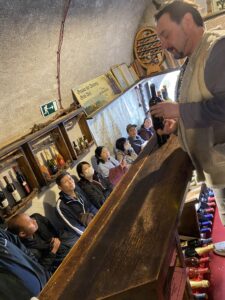
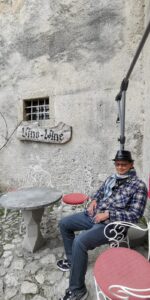
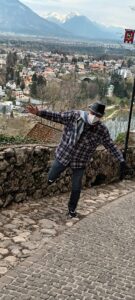
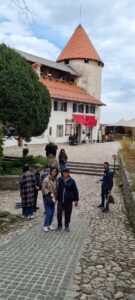
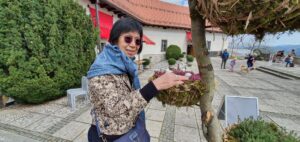
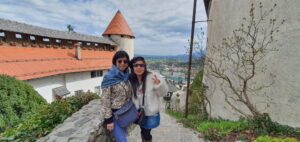
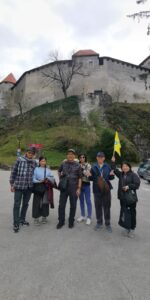
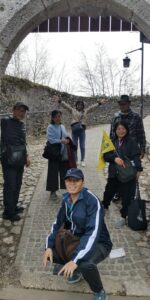
Day 2 – Attractions at Castle Bled, Slovenia
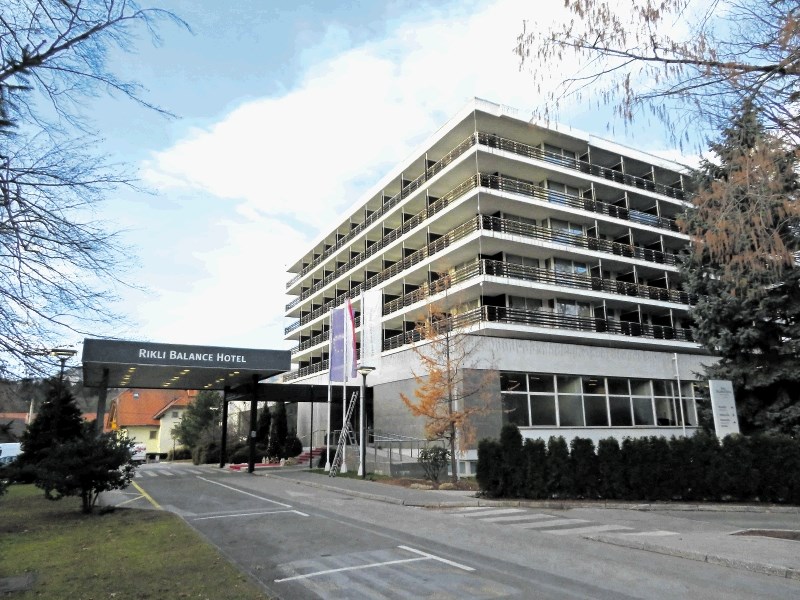
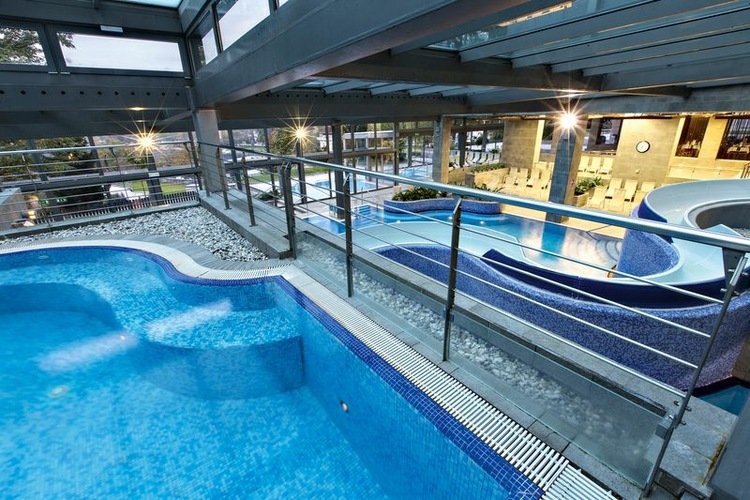
Day 2 – Stayed overnight at Rikli Balance Hotel.
DAY 3 LAKE BLED – LJUBLJANA – ZAGREB
Early in the morning, we proceeded to Ljubljana, the capital and largest city of Slovenia.
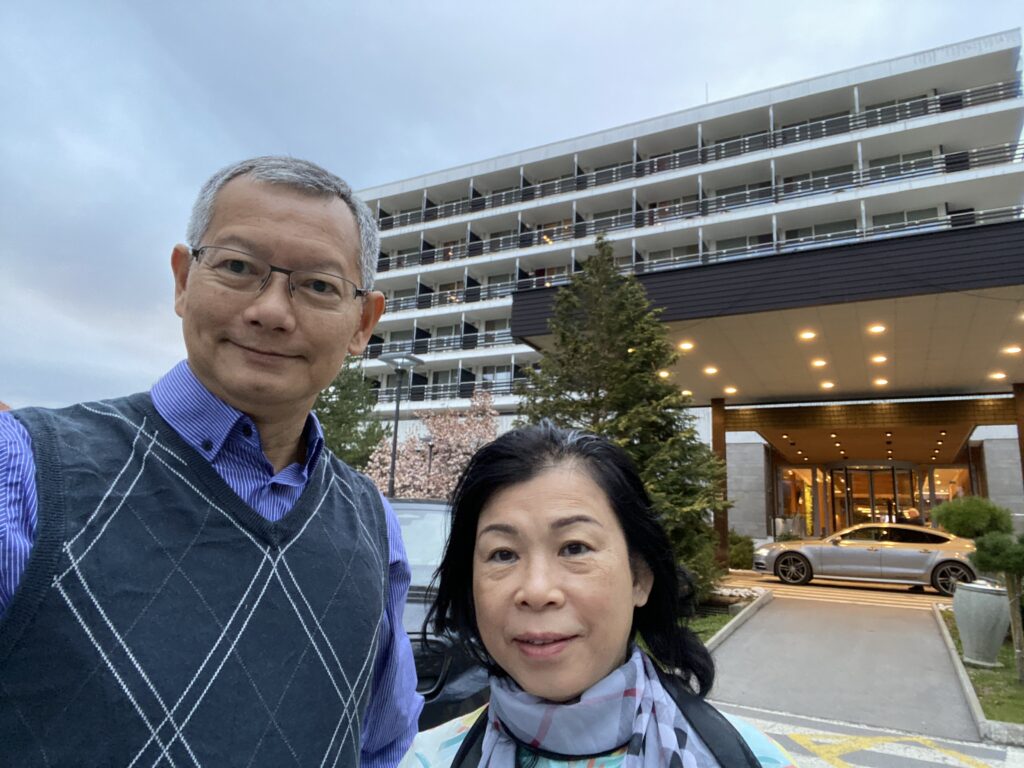

Day 3 – Breakfast at Rikli Balance Hotel
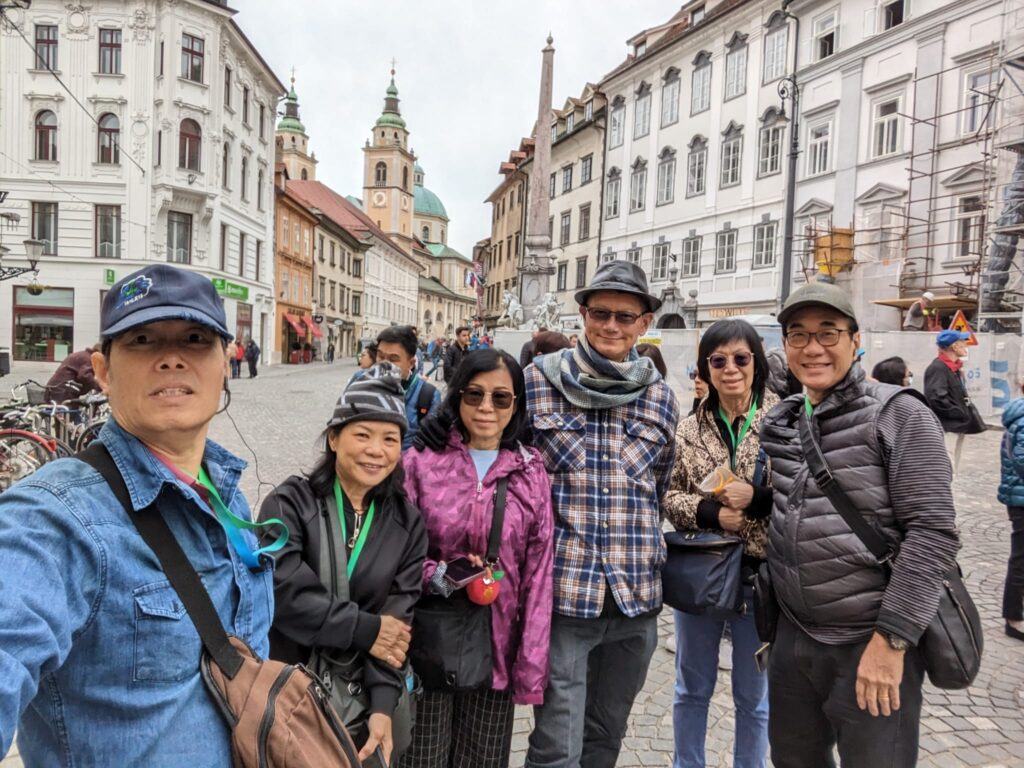
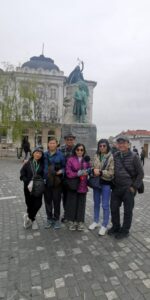
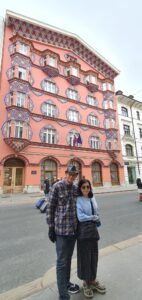
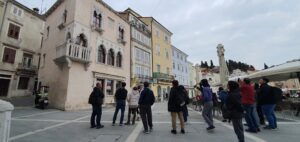
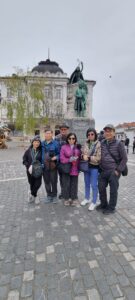
Day 3 – City of Ljubjana, Slovenia
Key Details About Ljubljana Cathedral
- Official Name: Cathedral of St. Nicholas (Ljubljanska Stolnica)
- Location: Cyril Methodius Square, Old Town, Ljubljana, Slovenia
- Architectural Style: Baroque (built in the early 18th century, replacing a Gothic predecessor)
- Distinctive Features:
- Green dome and twin towers visible across the city
- Bronze sculptured doors added in 1996 for Pope John Paul II’s visit
- Richly decorated interior with frescoes, gold leaf, and a magnificent pipe organ
Ljubljana offered a harmonious blend of old and new, with centuries-old buildings surrounding a medieval core alongside a modern and vibrant cultural scene.
Upon arrival, we explored the charming old town.
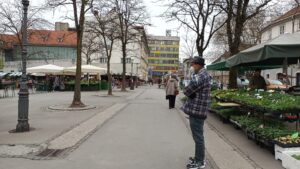
We admired the baroque-style St. Nicholas Cathedral with its twin bell towers and towering dome, and strolled through the nearby Central Market, browsing shops selling local produce and souvenirs.
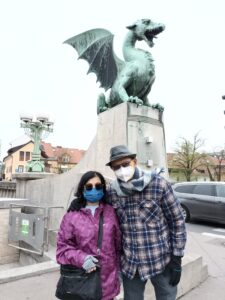
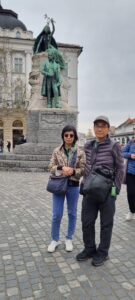
The market stretched along the Ljubljanica River, between Triple Bridge and Dragon Bridge. Later, we crossed Triple Bridge to Prešeren Square, named after the poet France Prešeren.
We then continued our journey back to Zagreb for our overnight stay.
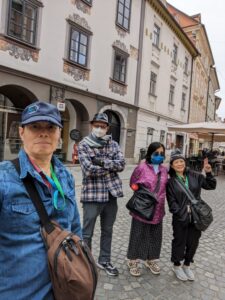
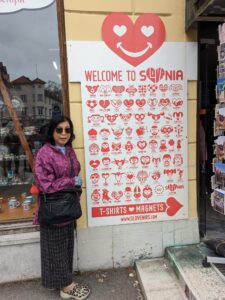
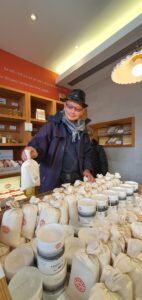
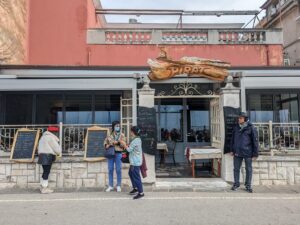
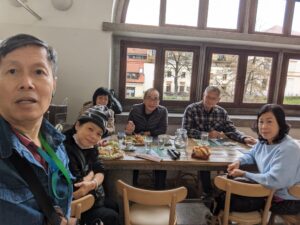

Day 3 – Lunch at City of Ljubjana, Slovenia



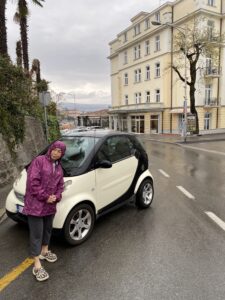
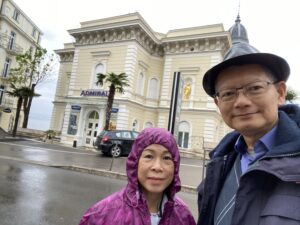

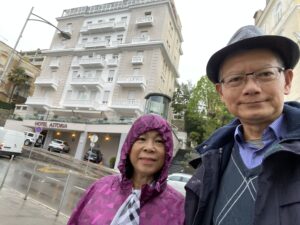
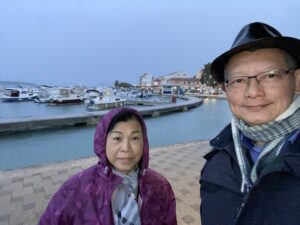

Day 3 – We stayed at Hotel Astoria Opatika Zadar
The hotel sits along the main coastal road (Maršala Tita) in Opatija, a historic seaside resort town on the Adriatic.
The area has a refined, old-world charm, with elegant villas, grand hotels, and landscaped parks dating back to the Austro-Hungarian era.
It’s not a party destination—more of a relaxed, scenic, slightly upscale coastal town.
🌊 Immediate surroundings (within a few minutes walk)
Seafront & promenade
- Just a short walk brings you to the famous Lungomare Promenade, a long seaside path stretching about 12 km.
- Ideal for morning walks, sunset views, and café stops along the coast.
Beaches
- Slatina Beach is about 3 minutes away.
- Expect small coves and concrete platforms rather than sandy beaches—typical of this region.
DAY 4 ZAGREB – PLITVICE LAKES – ZADAR
We travelled to Plitvice Lakes National Park, one of Europe’s most impressive national parks and a UNESCO World Heritage Site since 1979.
We were in awe as we approached the 70-metre-tall Veliki Slap, the park’s largest waterfall.
The park’s beauty lay in its 16 crystal-clear lakes, interconnected by cascading waterfalls and surrounded by lush woodland inhabited by deer, bears, wolves, boars, and rare bird species.
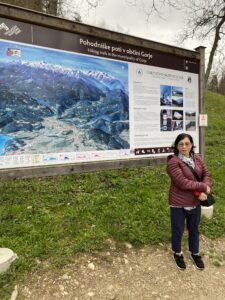
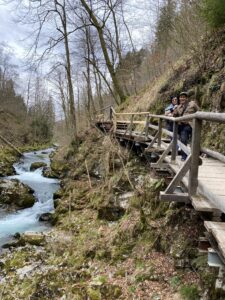
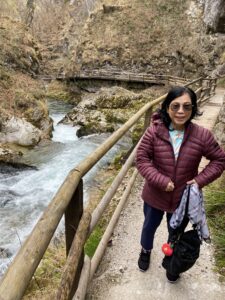
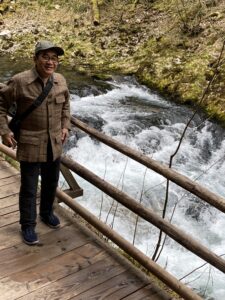
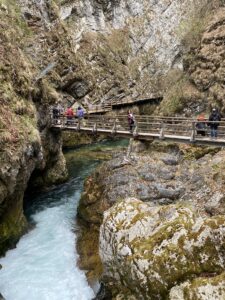
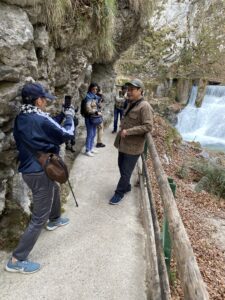
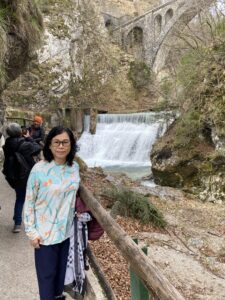
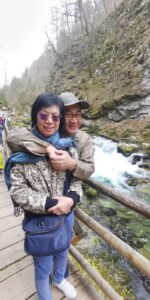
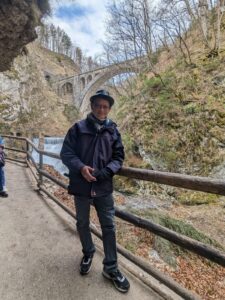
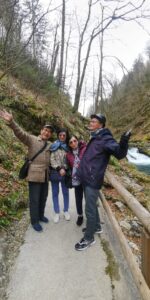
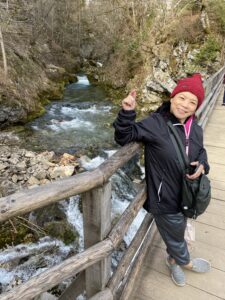
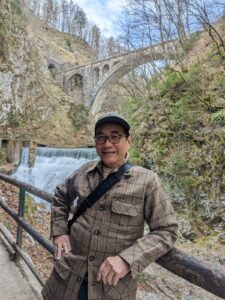
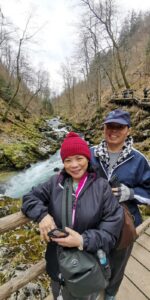

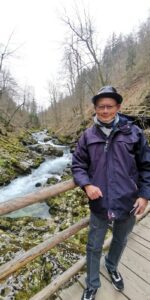
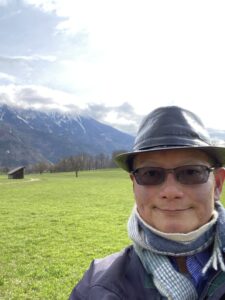
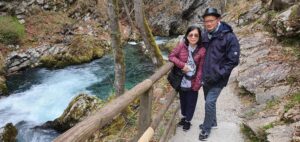
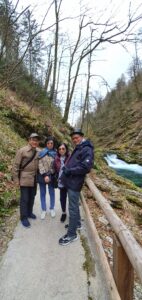
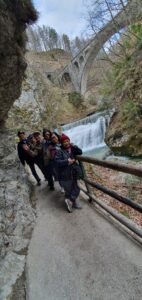
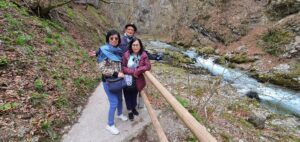
Plitvice Lakes are a mesmerizing, UNESCO-listed wonderland of 16 cascading turquoise lakes, interconnected by countless waterfalls and surrounded by lush forests.
Located in Croatia, this “watery wonderland” features travertine barriers and limestone canyons, offering a fairytale-like experience via wooden boardwalks.
Day 4 – From Plitvice Lakes to Karlic Truffle Estate for Truffles hunting
Paladini 14, 52420, Buzet, Croatia
Day 4 – Truffle Hunting with dog sniffing on ground


Day 4 – Walking to Truffle farm to “holding shoulder” (I meant to watch truffle hunting :)
Day 4 – Enjoying lunch at Karlic Truffle Estate


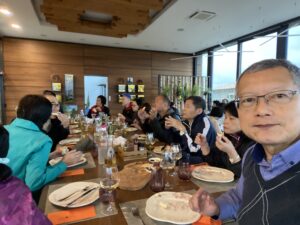



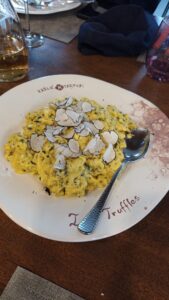
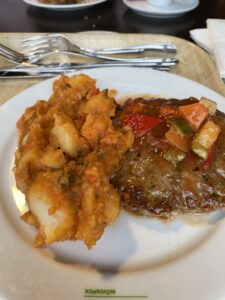
Day 4 – Enjoying lunch at Karlic Truffle Estate
Day 4 – We stayed overnight in the coastal city of Zadar.
Day 4 – We stayed overnight in the coastal city of Zadar.
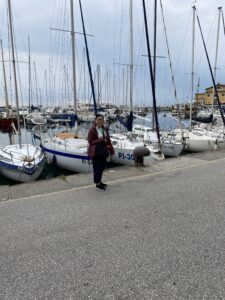
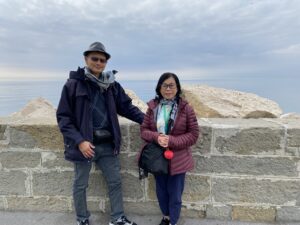
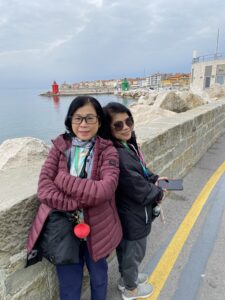
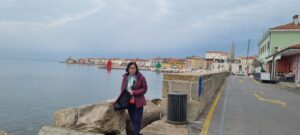
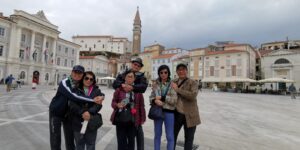
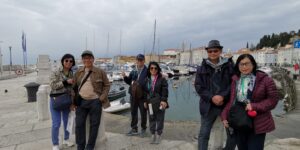
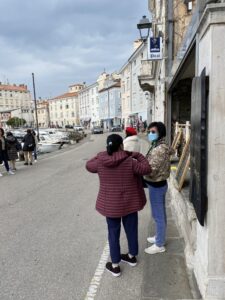

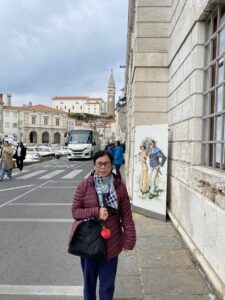
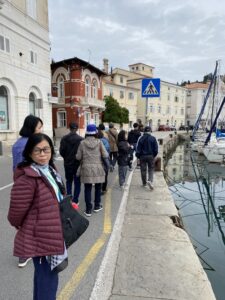
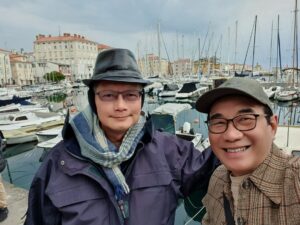
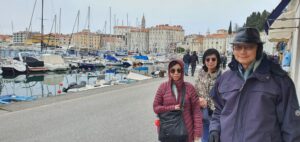

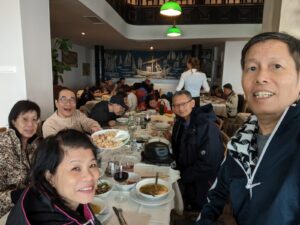
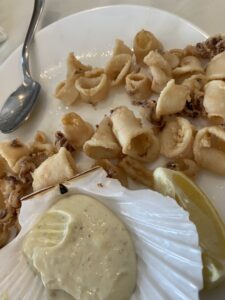

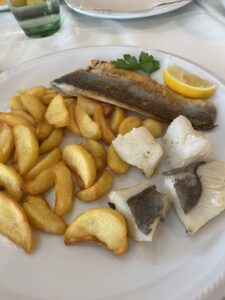
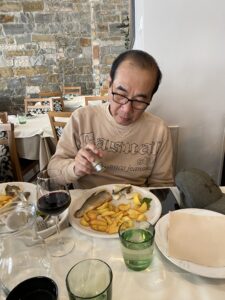

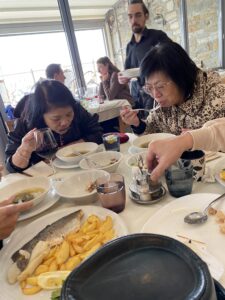
Day 4 – Costal town of Zadar – Dinner time !
DAY 5 ZADAR – SARAJEVO

Day 5 – Mr. Mak enjoying his breakfast before hotel check-out
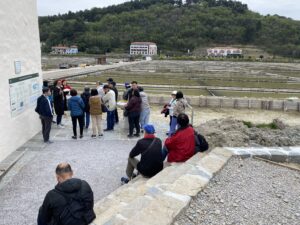
Day 5 – On the way to Sarajevo, we visited the Salt works of Ston, Croatia
Day 5 – On the way to Sarajevo, we had lunch at Restoran “SEDMICA”
Gornje Paprasko BB, 88420, Bosnia & Herzegovina
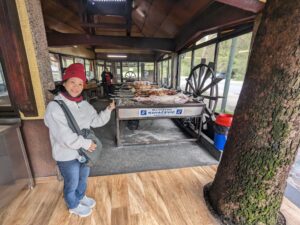
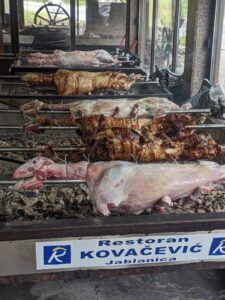
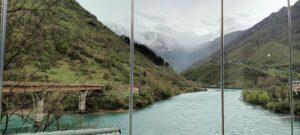
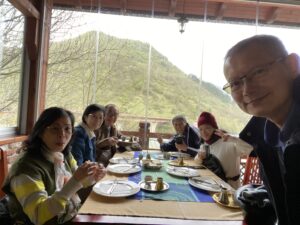
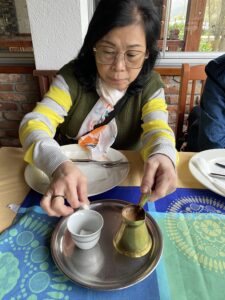
Day 5 – Enjoying Bosnian Coffee at Restoran “SEDMICA”
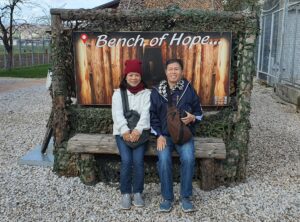
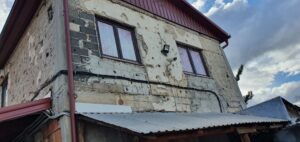
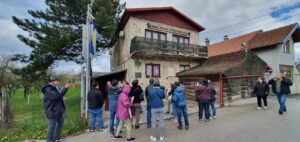
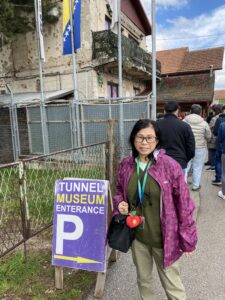
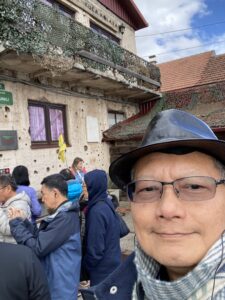
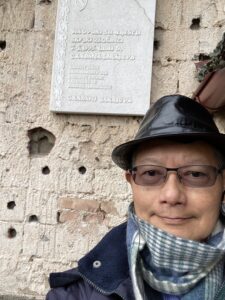
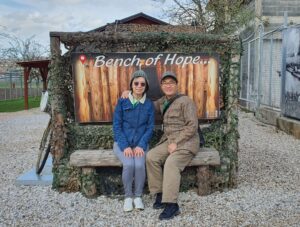
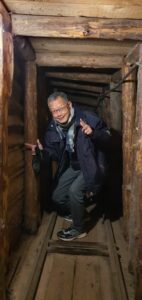
Day 5 – Visit to Tunnel of Salvation – Undergound tunnel with a war museum – Sarajevo, Bosnia & Herzegovina
We travelled to Sarajevo, a city that has risen repeatedly from its turbulent past.
We strolled through Baščaršija, founded by the Ottomans in the 15th century, which felt reminiscent of Turkey.
We explored the Gazi Husrev-beg Mosque, visited the ruins from the 1984 Winter Olympics, and toured the Tunnel of Hope to understand life during the siege.
In the afternoon, we tried Bosnian coffee and shopped for traditional handcrafted items.
Day 5 – Blagaj Tekija (also called the Dervish Monastery) in Blagaj, near Mostar, Bosnia and Herzegovina
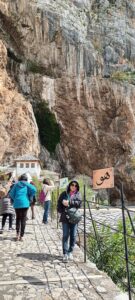
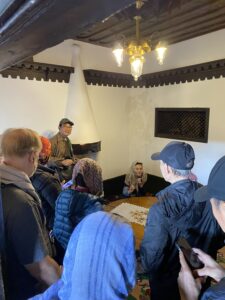
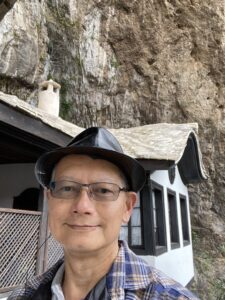
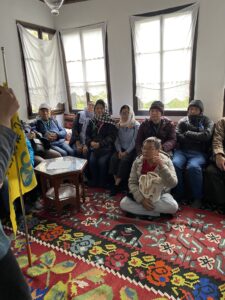
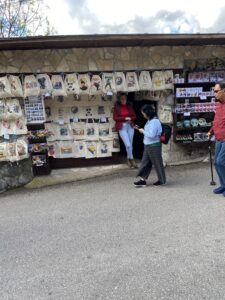
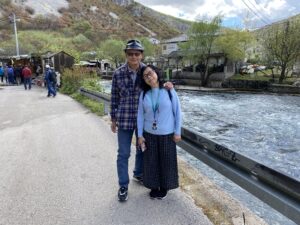
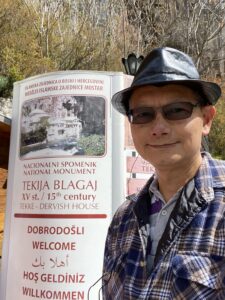
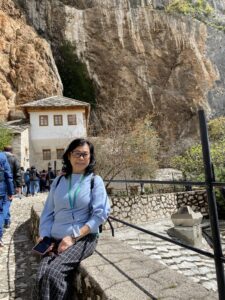
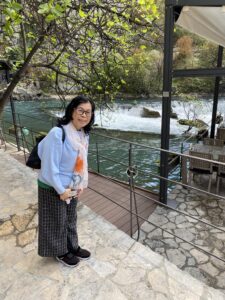
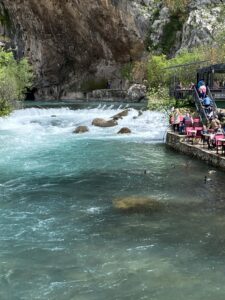
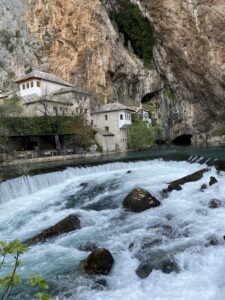
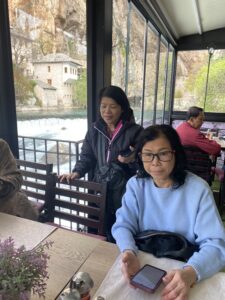
Day 5 – Blagaj Tekija (also called the Dervish Monastery) in Blagaj, near Mostar, Bosnia and Herzegovina
It sits at the source of the Buna River, right beneath a dramatic cliff with a cave opening and spring water flowing out — a famous riverside attraction and spiritual site.
About Blagaj Tekija
Location: Blagaj village, 12 km southeast of Mostar, Bosnia and Herzegovina.
Setting: Built at the base of a 200‑meter cliff, beside the cave where the Buna River emerges.
History: Originally constructed in the 16th century by Dervish monks (Sufi order).
Architecture: Ottoman‑style monastery with wooden balconies and whitewashed walls, blending into the natural rock.
Spiritual Role: Still used for religious ceremonies and meditation by Dervish followers.
DAY 6 SARAJEVO – MOSTAR
In the early morning, we continued to the historic town of Mostar.
Mostar, developed during the Ottoman era, is a remarkable example of a multicultural settlement with diverse architectural influences.
We walked across the iconic Stari Most (Old Bridge), admiring its elegant stone arch reflected in the river below.
Day 6 – Krka National Park, Croatia
- Name: Skradinski Buk Waterfall
- Park: Krka National Park, Croatia
- Features:
- Series of 17 waterfalls spanning 800 meters.
- Historic stone watermills and buildings preserved as cultural heritage.
- Surrounded by lush Mediterranean vegetation.
🌿 Why It’s Famous
- Natural Beauty: Skradinski Buk is considered one of the most beautiful waterfalls in Europe, with clear turquoise pools and cascades.
- Cultural Heritage: The stone houses and mills were once used for grinding grain and producing textiles, now restored for visitors.
DAY 7 MOSTAR – DUBROVNIK
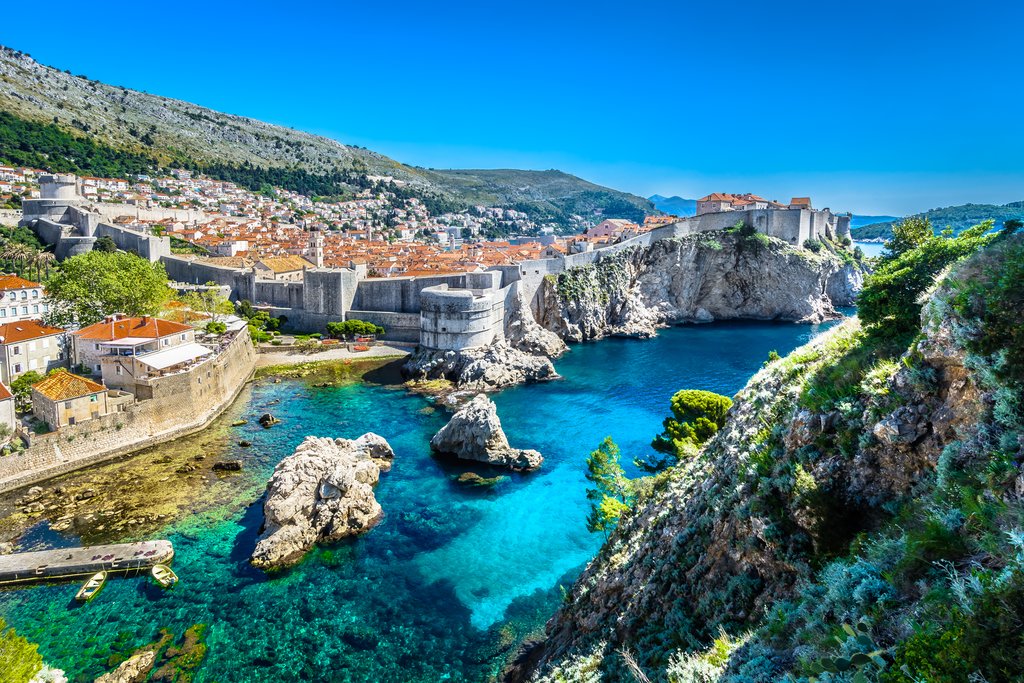
We travelled along the coast to Dubrovnik, known as the “Pearl of the Adriatic.”
We were captivated by its orange rooftops, ancient city walls, marble streets, and baroque architecture. As a UNESCO World Heritage Site, its landmarks—including Rector’s Palace, Clock Tower, Onofrio’s Fountain, Orlando’s Column, and Sponza Palace—were impressive.
We also visited the Dominican Monastery and Franciscan Monastery, which houses one of Europe’s oldest pharmacies.
We explored the old town, strolled through markets, and enjoyed a seaside meal.
This is the Dubrovnik Clock Tower, also known as the City Bell Tower, located in Luža Square at the eastern end of Dubrovnik’s Old Town, Croatia.
- It was originally built in 1444 and has been reconstructed several times, most recently in the 1920s.
- The tower stands about 31 meters tall and features a large clock face, a smaller calendar dial, and a bell at the top.
- The bell is struck by two bronze figures known as the “Maro and Baro” (or Zelenci), which are iconic to Dubrovnik.
- The tower is part of the historic ensemble of Dubrovnik’s Old Town, right next to the Sponza Palace and opposite the Church of St. Blaise.
It’s one of the most recognizable landmarks in Dubrovnik, often serving as a meeting point for visitors exploring the medieval streets.
DAY 8 DUBROVNIK – KOTOR – DUBROVNIK
We visited Kotor in Montenegro, known for its well-preserved medieval architecture.
We admired the breathtaking Bay of Kotor, one of the deepest fjord-like bays in the Mediterranean, surrounded by steep mountains.
We explored Kotor’s charming streets and squares before returning to Dubrovnik.
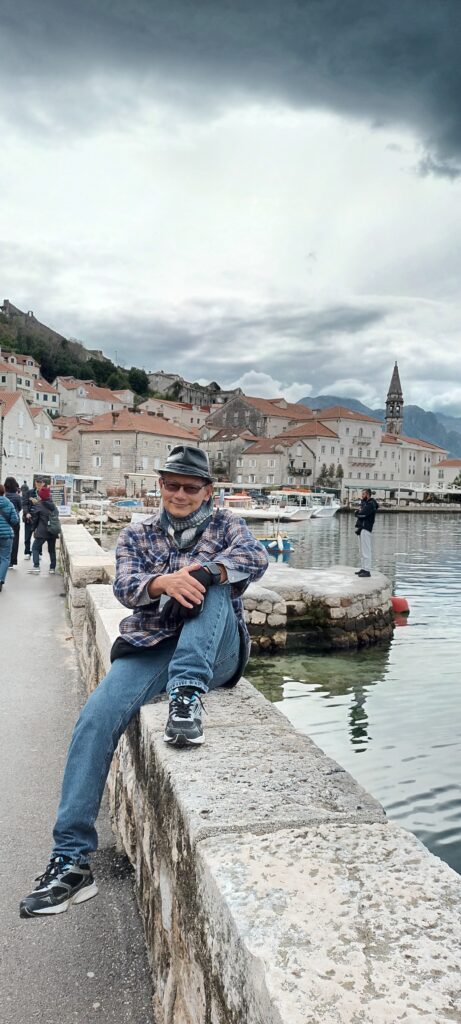
This is the Our Lady of the Rocks church (Gospa od Škrpjela) in Perast, Montenegro — a famous Roman Catholic chapel built on a man‑made islet in the Bay of Kotor, surrounded by dramatic mountains and the Adriatic waters.
📍 Location Details
Place: Perast, Bay of Kotor, Montenegro
Landmark: Our Lady of the Rocks (Gospa od Škrpjela)
Type: Roman Catholic church and museum
Unique Feature: Built on an artificial island created by sinking old ships and depositing rocks over centuries.
✨ Why It’s Famous
Cultural Significance: Legend says sailors found an icon of the Virgin Mary on a rock in the bay in 1452. Since then, locals added rocks and sunken ships to create the islet.
Annual Tradition: Every July 22, locals celebrate Fašinada, a ritual where boats throw rocks into the sea to expand the island.
Tourism Highlight: The church houses beautiful frescoes, paintings, and a museum with maritime artifacts.
DAY 9 DUBROVNIK – SPLIT
In the early morning, we drove through the Croatian countryside to Split, the country’s second-largest city.
We toured its historic landmarks, including Diocletian’s Palace, Temple of Jupiter, and Cathedral of Saint Domnius.
With its dramatic coastline and turquoise Adriatic waters, the city offered a captivating blend of Roman, Renaissance, and Gothic heritage.
DAY 10 SPLIT – ZAGREB
We enjoyed a scenic drive back to Zagreb.
We explored the city’s baroque upper town, open-air markets, and shopping areas. Highlights included Ban Jelačić Square, Zagreb Cathedral, St. Mark’s Church, Stone Gate, and Lotrščak Tower.
Stayed at The Westin Zagreb.
Day 11 – Zagreb to Singapore (April 20)
We did some last-minute shopping before bidding farewell to Zagreb.
We departed at 10:40am on Qatar Airways flight QR216 to Doha, and then continued to Singapore.
Day 12 – Arrive in Singapore (April 21)
We arrived in Singapore at 8:55am, tired but filled with amazing memories.